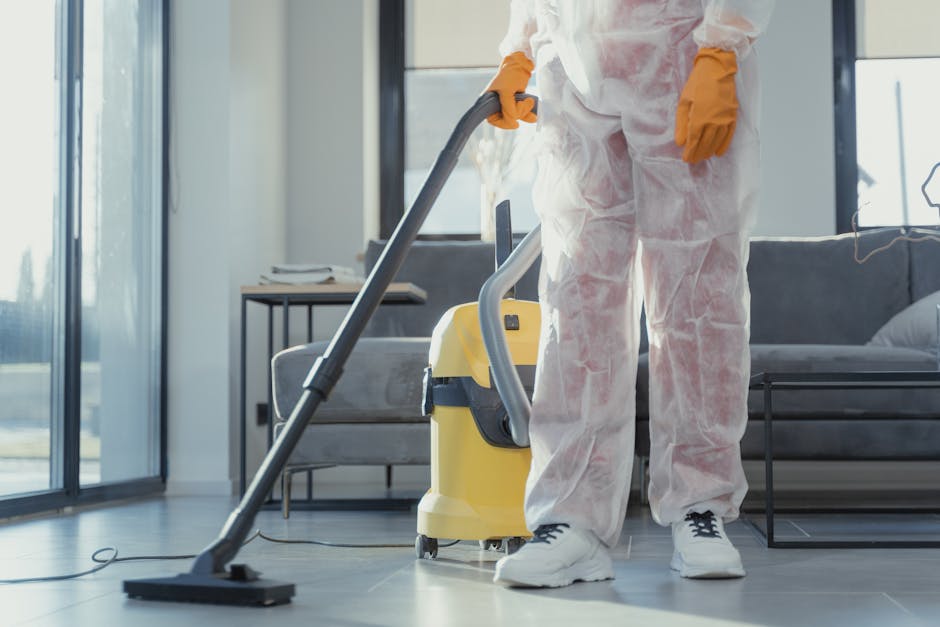
Shepherds Bush deep cleaning services near Westfield: what to expect, how to choose, and how to get the best result
If you live or work close to Westfield, you already know the area can be busy, lively, and a little unforgiving when grime builds up. Foot traffic, takeaway spills, post-shopping dust, and the usual London daily wear can make a space look tired faster than you'd like. That is where Shepherds Bush deep cleaning services near Westfield really earn their keep: they go beyond a quick tidy and tackle the bits people usually miss.
Whether you are getting ready for visitors, moving in or out, recovering after a renovation, or simply trying to reset a room that has got away from you, a proper deep clean can make a dramatic difference. In this guide, you'll find a clear breakdown of how the service works, who needs it, what to check before booking, and how to avoid the common mistakes that waste time and money.
Small jobs can wait. A proper deep clean usually cannot.
Table of Contents
- Why Shepherds Bush deep cleaning services near Westfield Matters
- How Shepherds Bush deep cleaning services near Westfield Works
- Key Benefits and Practical Advantages
- Who This Is For and When It Makes Sense
- Step-by-Step Guidance
- Expert Tips for Better Results
- Common Mistakes to Avoid
- Tools, Resources and Recommendations
- Law, Compliance, Standards, or Best Practice
- Options, Methods, or Comparison Table
- Case Study or Real-World Example
- Practical Checklist
- Conclusion
- Frequently Asked Questions
Why Shepherds Bush deep cleaning services near Westfield Matters
Deep cleaning matters because everyday cleaning only reaches so far. A standard weekly clean keeps surfaces presentable, but it rarely removes built-up grease behind appliances, dust on high ledges, residue in grout lines, or the sticky film that settles in kitchens and bathrooms over time. In a busy local area like Shepherd's Bush, especially near Westfield, that build-up can happen quickly. People come and go. Bags get dragged in. Shoes pick up city dirt. It all adds up.
There's also the simple fact that a clean space feels different. You notice it straight away: the room smells fresher, taps shine, skirting boards stop looking grey, and the whole place feels easier to live in. That's not a luxury. For many households and businesses, it is the difference between keeping on top of things and constantly fighting them.
For landlords, tenants, hosts, and office managers, deep cleaning can also reduce friction. It helps prepare a property for inspections, guest arrivals, handovers, or seasonal resets. If you have ever tried to clean a property properly in one evening after a long week, you'll know the feeling: you start with good intentions, then an oven tray or shower screen steals an hour. Deep cleaning exists for exactly that kind of situation.
And in practical terms, regular deep cleans can help protect finishes and fixtures. Grease left on appliances, damp in bathrooms, or gritty particles on hard floors can cause wear over time. A thorough clean now is often easier than repair later. Fair enough, that sounds obvious, but it is easy to overlook when life is busy.
For readers who want to understand the broader service in more detail, the dedicated deep cleaning page is a useful starting point, while household-focused work often overlaps with domestic cleaning and one-off cleaning.
How Shepherds Bush deep cleaning services near Westfield Works
Most deep cleaning jobs follow a similar pattern, even if the property type changes. The cleaner first assesses the layout, the level of dirt, and any areas that need special attention. Then they work through the property in a structured order so nothing is missed. That sounds simple, but structure matters. Random cleaning is how people end up doing the same shelf three times and forgetting the extractor fan entirely.
A good service usually starts high and finishes low. Dust and debris are removed from top surfaces, cobwebs are dealt with, then attention moves to mid-level fixtures, fittings, and touchpoints before floors are cleaned last. In kitchens, the focus is usually on grease points, appliances, sink areas, cupboard fronts, splash zones, and behind or around movable items where access allows. Bathrooms need descaling, sanitising, and careful treatment of seals, taps, screens, and tile lines. Living areas tend to need dust removal, skirting attention, upholstery care, and proper floor treatment.
Not every deep clean is identical. A one-bedroom flat close to the shopping centre may need a compact but intensive reset. A family house on a busier road may need more attention to carpets, stairs, and high-contact zones. An office or commercial unit often has a different rhythm again: desks, meeting tables, kitchenettes, shared touchpoints, and communal areas need methodical work without disrupting operations too much. If you are comparing service types, office cleaning and commercial cleaning are worth looking at alongside deep cleans for workplace settings.
In most cases, the service can be tailored to one-off jobs, move-related cleans, or more targeted requests such as oven care, carpet treatment, or upholstery refreshes. That flexibility is one of the biggest advantages. You are not buying a fixed "box"; you are buying a result.
Key Benefits and Practical Advantages
The benefits of a deep clean are partly visual and partly practical. The visual part is obvious: things look better. But the practical gains are often more valuable.
- Better hygiene in neglected areas. Places that are easy to ignore, such as under appliances, around toilets, and behind furniture, often collect the most grime.
- Less odour buildup. Kitchens, bins, soft furnishings, and bathrooms can trap smells even when the room appears tidy.
- Improved presentation. This matters if you are hosting, selling, renting out, or welcoming clients.
- More comfortable living. Clean surfaces and fresher air make a noticeable difference to day-to-day comfort.
- Longer-lasting finishes. Correct cleaning methods help protect flooring, worktops, upholstery, and appliances.
- Less stress before a handover. Moves, inspections, and events are much easier when the heavy lifting is already done.
There is also a useful knock-on effect: once a place is thoroughly cleaned, regular upkeep becomes easier. You are not fighting a layer of old residue every time you wipe a counter or mop a floor. That is a small thing, but it changes the whole routine.
For extra surface-specific care, many customers combine deep cleaning with carpet cleaning, oven cleaning, or window cleaning when the property needs a fuller refresh.
Expert summary: A strong deep clean is not about making a space look "sort of clean". It is about resetting the hard-to-reach, high-build-up areas so day-to-day maintenance becomes simpler and the whole property feels properly looked after.
Who This Is For and When It Makes Sense
Deep cleaning services near Westfield are useful for more people than you might think. Some clients book because they are at a specific transition point. Others simply want to catch up after things have slid a bit. Both are valid, to be fair.
Typical situations include:
- Moving into a new home and wanting a genuinely fresh start
- Moving out and needing the property left in good condition
- Preparing for tenants, landlords, or inventory checks
- Getting ready for guests or short-stay stays
- Recovering after building work, redecoration, or repairs
- Cleaning after a long period of neglect, illness, or busy family life
- Refreshing a commercial space before trading, relaunching, or quarterly inspections
If you are in a rented property, it is often worth comparing a deep clean with end of tenancy cleaning or move in cleaning depending on whether you are entering or leaving the space. For homeowners, a one-off deep clean can be the reset before a season change, a family event, or just after life has been a bit too full-on.
A local cafe, small office, or shared entrance near the shopping centre may also need a periodic deep clean because public-facing spaces pick up marks quickly. Fingerprints on glass, dust on ledges, stained chairs, and sticky kitchenette surfaces all send a quiet message to visitors. Not a loud one, but a message nonetheless.
Step-by-Step Guidance
If you want to get the best from a deep cleaning visit, a bit of preparation goes a long way. You do not need to overdo it. In fact, don't. The point is to make the property accessible and the priorities clear.
- Walk through the space first. Note the worst areas: greasy appliances, dusty vents, stained grout, marked skirting, tired carpets, or limescale in the bathroom.
- Decide what needs special treatment. Some jobs need stain removal, upholstery care, or hard floor attention. Others need simple but thorough general cleaning. If soft furnishings are involved, upholstery cleaning or sofa cleaning may make sense too.
- Clear access where you can. Put away items from surfaces, move small loose belongings, and leave enough room for the cleaner to reach corners and edges.
- Flag fragile or sensitive items. Painted finishes, delicate fabrics, older flooring, and specialist surfaces may need gentler products or methods.
- Confirm the order of priorities. If the oven, bathroom, and kitchen are the main concern, say so clearly. A good service should work to your priorities, not just tick boxes.
- Allow realistic time. A proper deep clean can take longer than people expect. That is normal. Speed and quality are not always best friends here.
- Review the result room by room. A quick check at the end helps catch any missed edge or touchpoint before everyone leaves.
For properties with stubborn dirt, grease, or build-up from renovations, a deeper package such as after builders cleaning may be the better fit. The same goes for carpets with heavy use or stains that have settled in for too long.
Expert Tips for Better Results
Experience teaches you a few things. First, the best deep cleans happen when the brief is specific. "Clean the flat" is not a brief. "Kitchen grease, shower limescale, and carpet refresh in the living room" is much better.
Second, do not hide the problem areas. People sometimes feel a bit awkward pointing out a messy cupboard or stained patch. Don't be. If anything, that helps the service succeed. A cleaner cannot treat what they are not allowed to see.
A few practical tips:
- Book before the space becomes overwhelming; it is easier to reset a room than rescue it.
- Combine services when that will save time, such as carpet work, mattress care, or floor treatment.
- Ask how the team handles delicate finishes, pet-related issues, or odour control.
- Keep pets and children out of the work area if possible. It makes everything safer and calmer.
- If you are in a rush, prioritise the highest-impact areas first: kitchen, bathroom, entryway, and floors.
A quick real-world example: a Shepherd's Bush flat close to Westfield may look fine at first glance, but once the lights are on and the blinds are open, you see dust on lamp shades, fingerprints on glass, and cooking residue around the hob. That is often when people realise they need more than a surface tidy. Happens all the time.
If you want to keep standards high between visits, regular cleaning can help maintain the results so the next deep clean is less of a battle.
Common Mistakes to Avoid
Most disappointments with deep cleaning are preventable. Usually it comes down to one of three things: unclear expectations, unrealistic timing, or choosing the wrong scope of work.
- Assuming "deep clean" means the same thing everywhere. It doesn't. One provider may focus on kitchens and bathrooms, another may include more detailing, and another may offer add-ons. Always check what is included.
- Leaving clutter everywhere. A cleaner can work around normal household items, but they cannot clean what they cannot access.
- Forgetting to mention stains or odours. Hidden marks on carpets, rugs, or furniture often need special products or extra time.
- Choosing the cheapest option without checking scope. A low price can be fine, but only if the service still covers the right tasks.
- Expecting restoration when you actually need specialist treatment. Some damage is beyond routine cleaning and may need stain-specific or fabric-specific work.
Let's face it, nobody wants to pay twice because the first job was too vague. That is why clear communication upfront matters more than a flashy headline.
Tools, Resources and Recommendations
A proper deep clean relies on the right tools, not just elbow grease. For customers, that mainly means understanding what kinds of tasks are often included and which extra services may be useful.
Common service elements can include:
- Detail cleaning of kitchens and bathrooms
- Grease and grime removal from touchpoints
- Descaling where limescale has built up
- Floor cleaning for hard floors and tiled areas
- Vacuuming and dust removal for soft furnishings and carpets
- Spot treatment for stains and odours
Useful related services to consider:
- steam carpet cleaning for heavier traffic areas
- rug cleaning for valuable or high-use rugs
- mattress cleaning if you are resetting a bedroom
- pet stain and odour removal where animals have left lingering smells
- stain removal for targeted trouble spots
For management and decision-making, a simple written checklist is honestly one of the best tools you can have. It keeps everyone aligned and avoids the classic "I thought that was included" conversation. Not glamorous, but extremely useful.
Law, Compliance, Standards, or Best Practice
Cleaning services in the UK should operate with sensible health and safety practices, clear communication, and appropriate care around chemicals, equipment, and access. You do not need to turn into a compliance expert, but you should expect professional standards.
That usually means:
- Safe handling and storage of cleaning products
- Reasonable precautions around wet floors and trip hazards
- Respect for property access and occupants
- Clear service terms and payment expectations
- Appropriate insurance and safety practices
If you are booking for a business or shared property, it is wise to ask about site procedures, working hours, and any restrictions around occupied spaces. In communal or managed buildings, communal area cleaning may need coordination so the work is done without creating disruption.
Environmental practice matters too. Some clients prefer services that take recycling and sustainability seriously, especially when a lot of packaging, disposable cloths, or waste is involved. If that matters to you, the site's recycling and sustainability information is worth a look. It is also sensible to review health and safety policy, insurance and safety, and terms and conditions before booking, especially for larger jobs or shared-access properties.
Options, Methods, or Comparison Table
Different cleaning goals call for different approaches. Here is a simple comparison to help you match the service to the job.
| Option | Best for | What it usually covers | Good to know |
|---|---|---|---|
| Deep cleaning | Full reset of a home or business area | Detailed cleaning of kitchens, bathrooms, floors, touchpoints, and overlooked areas | Best when the space is generally cluttered, dull, or built-up |
| One-off cleaning | Occasional support or a single visit | Flexible cleaning focused on your priorities | Can overlap with deep cleaning depending on scope |
| Move in / move out cleaning | Property handovers | Thorough cleaning for empty properties and transition periods | Often paired with internal inspections or tenancy ends |
| After builders cleaning | Post-renovation or repair work | Dust removal, residue clean-up, and detailed finishing | Best when dust is fine, persistent, and everywhere |
| Targeted specialist cleaning | Specific problem areas | Carpets, sofas, ovens, mattresses, or stain removal | Useful as an add-on when one item is causing most of the issue |
If you are unsure which route is right, think about the size of the problem, not just the room count. A single kitchen with heavy grease can take longer than a whole flat that has been well maintained. Strange but true.
Case Study or Real-World Example
Here is a realistic example based on the kind of work commonly requested near Westfield. A two-bedroom flat had been occupied by a busy professional couple who worked long hours and ate out often, so the place never looked disastrous, just gradually tired. There was grease around the hob, dust along the skirting, a dull bathroom mirror, and a living-room sofa that had absorbed everyday smells from food and city life.
They did not need a full renovation-level clean. They needed a reset. The team worked room by room, starting with the kitchen because that was where the build-up was most obvious. The hob, splash zones, sink area, cupboard fronts, and floor edges were treated carefully. Bathrooms were descaled and detailed. The sofa and rug were handled separately so the soft furnishings did not hold onto odour. By the end, the place looked lighter, but more importantly it felt easier to keep that way.
That is usually the point people remember: not just that the flat looked cleaner, but that they could breathe a little easier and get back on top of daily life. A bit dramatic maybe, but only a bit.
Practical Checklist
Use this quick checklist before your booking or visit:
- Identify the main problem areas in advance
- Remove clutter from surfaces and floors where possible
- Confirm whether the job is deep cleaning, one-off cleaning, or move-related cleaning
- Ask about add-ons for carpets, upholstery, oven, mattress, or windows
- Flag fragile surfaces, stains, pet issues, or access concerns
- Check whether the property will be empty or occupied
- Allow enough time for a detailed clean rather than rushing the schedule
- Review service terms, safety information, and payment details
- Do a final walk-through after the work is finished
- Set a maintenance plan so the results last longer
A quick note: if the property has recently had work done, don't underestimate dust. It gets into weird places, and it lingers. Cabinets, vents, ledges, even the tops of doors. You miss it once, and it comes back to stare at you later.
Conclusion
Shepherds Bush deep cleaning services near Westfield are at their best when they solve a real problem: too much build-up, not enough time, or a property that needs a proper reset. The most useful service is the one that is tailored, transparent, and thorough enough to leave the space genuinely better, not just lightly improved.
If you are deciding whether to book, think about the space honestly. Is it overdue for a full detail? Are there carpets, soft furnishings, or appliances that need more than a surface wipe? Do you need a one-off reset before a move, inspection, or guest arrival? Once you answer those questions, the next step usually becomes much clearer.
Get a free quote today and see how much you can save.
And if you do go ahead, it is oddly satisfying seeing a room come back to itself. Fresh air, clean lines, less clutter in the eye-line. Sometimes that is all a place needs.
Frequently Asked Questions
What is included in Shepherds Bush deep cleaning services near Westfield?
Usually the service covers detailed cleaning of kitchens, bathrooms, floors, high-touch surfaces, skirting, and the awkward areas people often miss. Exact inclusions vary by property and provider, so it is always worth checking the scope before booking.
How is deep cleaning different from regular cleaning?
Regular cleaning maintains a space. Deep cleaning resets it. That means more time spent on built-up grime, hidden edges, and neglected details such as behind appliances, around fixtures, and inside heavier-use rooms.
Is deep cleaning suitable for flats near Westfield?
Yes. Flats near busy shopping and transport areas often collect dust, foot traffic dirt, and kitchen residue faster than people expect. A compact flat can still need a very thorough clean if the surfaces have been neglected for a while.
How long does a deep clean usually take?
It depends on the size of the property, how much build-up there is, and whether add-on services are included. A small home with light build-up is very different from a full family property or a post-builder clean.
Do I need to move furniture before a deep clean?
Not always. Light items can usually be moved, but large furniture is often cleaned around unless otherwise agreed. If you want areas behind or beneath heavy furniture treated, mention that before the visit.
Can deep cleaning help with smells?
Yes, often. Odours from kitchens, soft furnishings, bins, pets, or damp areas can improve a lot after a proper clean. If the smell is stubborn, targeted services such as stain removal or pet odour treatment may be useful.
Should I book deep cleaning before moving in?
That is a smart move in many cases. A move-in clean gives you a fresh start and helps remove traces from the previous occupant. It can be especially helpful if you want to clean cupboards, appliances, and bathrooms before unpacking.
Is deep cleaning good for rental properties and end of tenancy checks?
Absolutely. Many tenants, landlords, and agents use deep cleaning or end-of-tenancy cleaning to prepare for handover. It helps reduce disputes over cleanliness and makes the property easier to inspect.
What if I only need the kitchen or bathroom cleaned deeply?
That is common. You do not always need a whole-property service. A targeted deep clean can focus on the rooms that need the most attention, which is often the most cost-effective option.
Are carpets and upholstery included in deep cleaning?
Sometimes, but not always. Soft furnishings often need separate specialist treatment. If carpets, sofas, rugs, or mattresses are a concern, ask about carpet cleaning, upholstery cleaning, sofa cleaning, rug cleaning, or mattress cleaning as add-ons.
How do I know I am choosing the right cleaning service?
Start with the problem you want solved. If you want a full reset, deep cleaning is usually the right fit. If you are moving, hosting, or dealing with specific areas like an oven or carpet, the right service may be a combination of options. Clear priorities make the choice much easier.
What should I check before booking a deep clean?
Check what is included, how long the job is expected to take, whether any add-ons are available, and whether the team has clear safety, insurance, and terms information. A good service should feel straightforward, not vague or rushed.